UFL Blog

Sample Page

Author: admin

  • How Role-Playing Games Teach Budgeting

    How Role-Playing Games Teach Budgeting

    Budgeting  rr88wang.com is an important life skill that helps people make smart decisions about how they use their money. For children, however, the idea of creating a budget can seem complicated or boring when taught through traditional lessons. Role-playing games offer a more engaging approach by allowing children to step into imaginary situations where they must manage resources, make choices, and plan for future needs. Through play, children can begin to understand the basic principles of budgeting while enjoying an exciting and creative experience.

    Role-playing games are built around imagination and decision-making. Players often take on different characters and face situations that require them to manage limited resources. These experiences can introduce financial concepts in a way that feels natural rather than instructional.

    Understanding the Basics of Budgeting

    At its simplest, budgeting means deciding how to use limited resources. Role-playing games can demonstrate this concept by giving players a fixed amount of virtual money or resources.

    For example, a child might play the role of a character preparing for an adventure. The character has a limited budget and must decide how much to spend on food, transportation, equipment, and entertainment. The child quickly discovers that spending everything at the beginning can create problems later.

    This simple experience teaches an important lesson: planning ahead can help ensure that resources are available when they are needed most.

    Learning to Prioritize Needs and Wants

    One of the most valuable budgeting lessons role-playing games can provide is the difference between needs and wants. Characters may have several options available, but they cannot always afford everything.

    A player might need to choose between buying essential equipment or spending money on an attractive but unnecessary item. This encourages them to think about priorities before making a decision.

    Parents and educators can use these moments to start conversations about real-life spending. Children can discuss why they chose one option over another and consider what might happen if they had made a different choice.

    Managing Limited Resources

    Budgeting becomes meaningful when resources are limited. Role-playing games often create exactly this situation. Players may have a specific amount of money, energy, food, or equipment, and they must decide how to distribute these resources throughout their journey.

    This teaches children that every choice has an opportunity cost. Spending resources in one area may mean having fewer available for something else.

    For example, a player might spend too much money early in the game and later discover that they cannot afford an important item. While this may be disappointing, it provides a safe opportunity to learn. The child can try again with a better strategy.

    Planning for Unexpected Expenses

    Real-life budgets often need to account for unexpected expenses, and role-playing games can introduce this concept in an entertaining way. A character may suddenly face a challenge that requires additional resources.

    Players who have saved some money or resources may be better prepared to handle the situation. Those who spent everything may need to find another solution.

    This teaches children why keeping some resources available for unexpected situations can be helpful. It also encourages them to think beyond their immediate needs.

    Setting Goals and Saving Resources

    Many role-playing games involve long-term objectives. Players may need to save money, collect equipment, or complete smaller missions before reaching a larger goal.

    This naturally introduces the relationship between budgeting and goal setting. Children learn that achieving something important may require them to delay smaller rewards and manage their resources carefully.

    Parents can connect this lesson to real life by encouraging children to set simple savings goals. The same thinking used to save resources in a game can help children understand how saving works in everyday situations.

    Learning Through Consequences

    One reason role-playing games can be effective for teaching budgeting is that they allow children to see the results of their choices. If they make a poor decision, they may experience a setback. If they plan carefully, they may find it easier to succeed.

    These consequences make financial concepts more memorable. Children are not simply hearing that budgeting matters; they are experiencing the effects of their decisions within the game.

    The important thing is to encourage reflection rather than criticism. Parents can ask what happened, why it happened, and what the child might do differently next time.

    Encouraging Problem-Solving and Flexibility

    A budget is not always fixed. Circumstances can change, requiring people to adjust their plans. Role-playing games teach this lesson by presenting unexpected challenges and changing situations.

    Children may need to rethink their spending, find new ways to earn resources, or change their priorities. This encourages flexible thinking and problem-solving.

    They learn that a good budget is not about predicting everything perfectly. It is about having a plan and being willing to adjust when circumstances change.

    Making Budgeting Fun and Practical

    How role-playing games teach budgeting is ultimately connected to the choices children make while playing. By managing limited resources, prioritizing needs, planning for goals, and responding to unexpected challenges, children can develop a basic understanding of financial responsibility.

    These games should not replace real-world financial education, but they can provide an excellent starting point. With guidance from parents and educators, role-playing activities can turn budgeting into an exciting adventure rather than a difficult lesson.

    When children learn through imagination and play, they can khuyến mãi rr88 develop financial awareness while building confidence, creativity, and problem-solving skills. The lessons they practice in a fictional world today may help them make smarter decisions in the real world tomorrow.


     

  • How Technology Creates New Careers

    How Technology Creates New Careers

    Technology has changed the way people live, communicate, learn, and work. Over the past few decades, digital innovation has transformed traditional workplaces and created entirely new career opportunities. Jobs that did not exist in the past are now becoming important parts of the modern economy. From software development and artificial intelligence to digital marketing and cybersecurity, technology continues to open doors for people with different interests and skills.

    While some people worry that technology may replace certain jobs, it is also important to recognize the opportunities it creates. As businesses adopt new tools and industries evolve, they need people who can develop, manage, improve, and use these technologies. This ongoing change is creating a job market where learning and adaptability are becoming increasingly valuable.

    The Rise of Digital Careers

    The growth of the internet has created countless career paths. Websites, mobile applications, online platforms, and digital services have become essential to modern businesses. As a result, companies need professionals who can build and maintain their digital presence.

    Careers such as web development, software engineering, user experience design, and app development have grown alongside the digital economy. These professionals help create the tools and platforms people use every day.

    Digital careers are not limited to technical programming roles. Content creators, social media managers, digital marketers, and search engine optimization specialists also play important roles in helping businesses reach online audiences. This shows how technology can create opportunities for both technical and creative individuals.

    Artificial Intelligence and Emerging Opportunities

    Artificial intelligence is one of the most influential technologies shaping the future of work. As organizations explore AI tools, new career opportunities are emerging around developing, managing, and responsibly using these systems.

    Professionals working with AI may specialize in areas such as machine learning, data analysis, automation, or AI system management. At the same time, many existing jobs are changing as workers learn to use AI tools to improve productivity.

    The growth of AI also creates demand for people who understand ethics, privacy, security, and responsible technology use. This means that future careers may combine technical knowledge with communication, creativity, and decision-making skills.

    Cybersecurity and Digital Safety

    As more personal and business information moves online, cybersecurity has become increasingly important. Organizations need skilled professionals who can protect systems, identify risks, and respond to digital threats.

    Cybersecurity careers include security analysis, network protection, risk management, and digital forensics. These roles require strong problem-solving abilities and a commitment to continuous learning because digital threats are constantly changing.

    The growth of cybersecurity demonstrates an important pattern in the technology industry: whenever a new technology creates opportunities, it can also create new challenges. Addressing those challenges often leads to entirely new career fields.

    Remote Work and Global Opportunities

    Technology has also changed where and how people work. High-speed internet, video conferencing, cloud platforms, and collaboration tools have made remote work possible for many professionals.

    This development has expanded career opportunities beyond geographical boundaries. A skilled worker may be able to collaborate with a company located in another city or country without relocating. Similarly, businesses can find talent from a much wider pool of candidates.

    Remote work has also encouraged the growth of freelancing and online entrepreneurship. Individuals can offer services such as graphic design, writing, programming, consulting, and marketing to clients around the world.

    Technology Creates Opportunities in Creative Fields

    Technology is often associated with science and engineering, but its influence on creative careers is equally significant. Digital tools have transformed photography, filmmaking, music production, graphic design, animation, and publishing.

    Creative professionals can now produce high-quality work using accessible software and digital platforms. Social media and online marketplaces also provide ways for artists and creators to share their work with larger audiences.

    The creator economy is another example of technology creating new career possibilities. People can build communities around their interests and earn income through digital content, educational products, online services, and other creative projects.

    The Importance of Learning New Skills

    As technology continues to evolve, career success increasingly depends on adaptability. A skill that is valuable today may change significantly in the future. This does not mean people must become experts in every new technology, but they should remain willing to learn.

    Digital literacy, communication, critical thinking, creativity, and problem-solving are becoming valuable across many industries. People who develop a combination of technical and human skills may be better prepared to adapt as workplaces change.

    Education is also becoming more flexible. Online courses, tutorials, digital certifications, and virtual learning platforms allow people to develop new skills without always following traditional educational paths.

    Technology and Entrepreneurship

    Technology has lowered some of the barriers to starting a business. Entrepreneurs can use websites, social media, online payment systems, and digital marketing tools to reach customers without needing a large physical operation.

    Small businesses can now compete in markets that were once difficult to enter. A creative idea can potentially reach customers around the world through digital platforms.

    Technology also makes it easier to test ideas quickly. Entrepreneurs can gather customer feedback, analyze data, and adjust their products based on real-world information. This creates an environment where innovation and entrepreneurship can grow together.

    Conclusion

    Technology is not simply changing existing careers; it is creating new ones. Digital platforms, artificial intelligence, cybersecurity, remote work, creative tools, and online entrepreneurship have all expanded the possibilities available to modern workers.

    The future of work will likely continue to evolve as new technologies emerge. While some roles may disappear or change, new opportunities will develop in their place. The most important response is not to fear change but to prepare for it through continuous learning and adaptability.

    Technology creates new careers because human needs and ideas continue to evolve. When people combine curiosity with useful skills, they can find new ways to contribute, create, and succeed. In this rapidly changing world, the ability to learn and adapt may be one of the most valuable career skills of all.

  • The Importance of Sustainable Development

    The Importance of Sustainable Development

    The world is developing faster than ever. Cities are expanding, technology is advancing, businesses are growing, and millions of people are seeking better opportunities. While this progress can improve lives, it also creates important questions about how we use natural resources and protect the planet. This is where sustainable development becomes essential. It offers a way to improve living standards today without making  it harder for future generations to meet their own needs.

    Sustainable development is about finding a balance between economic growth, social well-being, and environmental protection. It recognizes that a truly successful future is not measured only by how much a society produces or earns. It also depends on whether people have access to education, healthcare, opportunities, clean environments, and the resources needed for a good quality of life.

    Balancing Progress and Protection

    Development is necessary for societies to grow. People need homes, jobs, transportation, education, and reliable services. However, development that ignores environmental limits can create long-term problems.

    Sustainable development encourages communities to think carefully about how progress is achieved. Instead of using resources without considering the future, it promotes smarter planning and responsible decision-making.

    For example, cities can grow while investing in public transportation, green spaces, energy-efficient buildings, and effective waste management. This approach allows development to continue while reducing unnecessary environmental pressure.

    Protecting Natural Resources

    Natural resources are at the heart of modern life. Water, forests, soil, minerals, and energy support agriculture, industries, and communities.

    However, many resources are limited, and some take years or even centuries to recover. Sustainable development encourages responsible use so that these resources remain available for future generations.

    This can involve reducing waste, improving efficiency, protecting ecosystems, and investing in renewable alternatives. When resources are managed wisely, societies can continue to benefit from them without exhausting what the planet provides.

    Creating Stronger Communities

    Sustainable development is not only about the environment. It is also about improving people’s lives.

    A sustainable community is one where people have access to opportunities, education, healthcare, safe housing, and essential services. It aims to create conditions where individuals can grow and participate in society.

    Strong communities are better prepared to handle challenges. When people have knowledge, resources, and support, they can respond more effectively to economic changes, environmental problems, and unexpected events.

    Supporting Responsible Economic Growth

    Economic development is important because it creates jobs, supports businesses, and improves living standards. However, long-term economic success requires responsible planning.

    Businesses can contribute to sustainable development by reducing waste, improving energy efficiency, using responsible materials, and treating employees fairly.

    Sustainable business practices can also encourage innovation. Companies that look for better ways to produce goods and services may discover solutions that are both environmentally responsible and economically valuable.

    The goal is not to stop economic growth but to make it more thoughtful and sustainable.

    The Role of Education

    Education is one of the strongest foundations of sustainable development. People who understand environmental, economic, and social challenges are better prepared to make informed decisions.

    Schools can teach students about resource conservation, responsible consumption, and problem-solving. Universities can support research and innovation in areas such as renewable energy, sustainable agriculture, and environmental protection.

    Education also helps people develop skills that improve their career opportunities and strengthen communities.

    A knowledgeable population is better equipped to build a future based on informed choices rather than short-term thinking.

    Technology Can Support Sustainability

    Technology has an important role in sustainable development. Smart systems can help reduce energy consumption, monitor water use, improve transportation, and manage waste.

    Renewable energy technologies can provide cleaner alternatives to traditional energy sources. Digital tools can help farmers use water and fertilizers more efficiently. Data can help cities understand how resources are being used.

    However, technology is not a complete solution on its own. It must be combined with responsible policies, education, and thoughtful behavior.

    Everyone Has a Role

    Sustainable development requires cooperation. Governments can create effective policies, businesses can improve their practices, and communities can support responsible initiatives.

    Individuals also have a role. Everyday choices such as reducing waste, conserving energy, using resources carefully, and supporting responsible businesses can contribute to broader change.

    No single action will solve every global challenge. However, millions of responsible actions can create a significant collective impact.

    Thinking About the Future

    Perhaps the most important idea behind sustainable development is long-term thinking. Decisions made today can influence people who may not even be born yet.

    Building a new city, using natural resources, or developing an industry should involve consideration of future consequences.

    This does not mean avoiding progress. It means making progress in a way that leaves future generations with opportunities rather than problems.

    Conclusion

    Sustainable development is important because it provides a path toward progress that considers both present and future needs. It connects economic growth with social well-being and environmental responsibility. 

    The challenges facing the world are complex, but sustainable development offers a framework for addressing them through cooperation, innovation, education, and responsible decision-making.

    A successful future is not simply one where people have more. It is one where people can live well without destroying the systems that support life.

    By making thoughtful choices today, we can create stronger communities, protect valuable resources, and encourage responsible growth. Sustainable development reminds us that the future is a shared responsibility—and that the decisions we make now can help determine the kind of world we leave behind.

  • The Importance of Continuous Improvement

    The Importance of Continuous Improvement

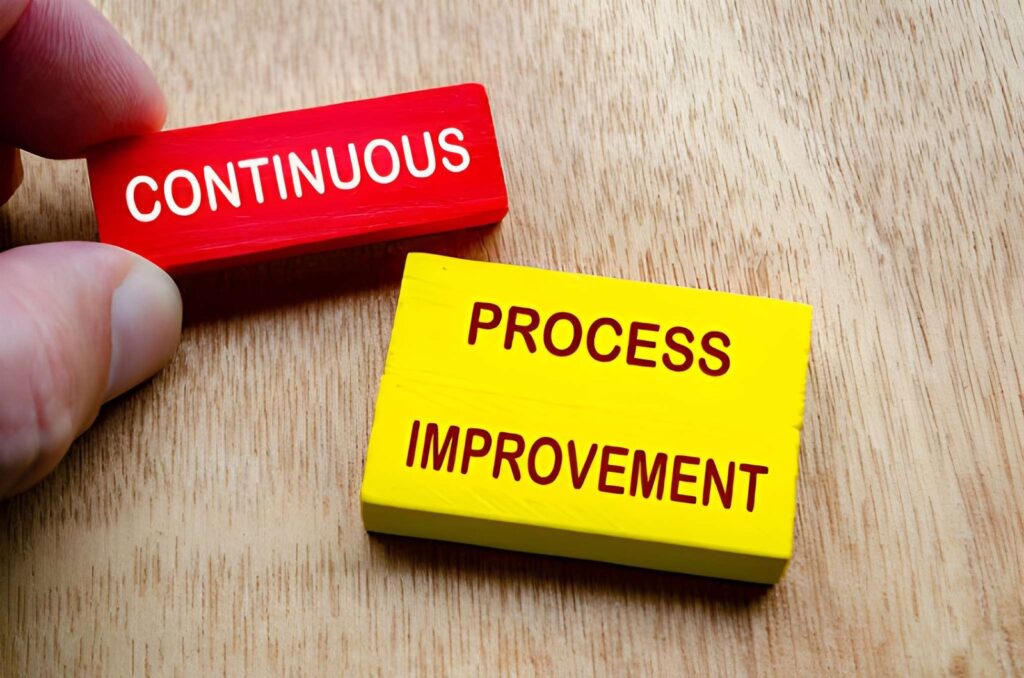
    Continuous improvement is the ongoing process of making small, meaningful changes that lead to better results over time. Whether in personal life, education, business, or professional  development, the idea is simple: never stop learning, growing, and improving. Instead of waiting for a major O8 breakthrough, continuous improvement encourages people to focus on consistent progress. These small efforts may seem insignificant at first, but they often create lasting positive changes that lead to greater success and satisfaction.

    What Is Continuous Improvement?

    Continuous improvement is a mindset that emphasizes regular learning, evaluation, and action. It involves identifying areas where improvements can be made, making changes, measuring results, and repeating the process. This approach helps individuals and organizations become more efficient, productive, and adaptable.

    Unlike striving for perfection, continuous improvement focuses on progress rather than flawless results. Every step forward, no matter how small, contributes to long-term success. This mindset allows people to learn from mistakes instead of fearing them, making growth a natural part of everyday life.

    Why Continuous Improvement Matters

    In today’s fast-changing world, staying the same often means falling behind. New technologies, changing customer expectations, and evolving industries require people and businesses to adapt quickly. Continuous improvement helps individuals remain competitive by encouraging them to develop new skills and improve existing ones.

    For organizations, continuous improvement increases productivity, improves quality, reduces waste, and strengthens customer satisfaction. Employees also benefit because they become more confident, engaged, and motivated when they see their efforts leading to positive outcomes.

    Benefits in Personal Growth

    Continuous improvement is not limited to the workplace. It also plays a major role in personal development. People who focus on improving themselves often build stronger habits, better relationships, and greater confidence.

    Simple actions like reading a few pages each day, learning a new skill, exercising regularly, or improving communication abilities create meaningful progress over time. These small improvements help individuals become more resilient and better prepared to face life’s challenges.

    Most importantly, continuous improvement encourages lifelong learning. Every experience becomes an opportunity to gain knowledge and become a better version of yourself.

    How Businesses Benefit from Continuous Improvement

    Successful businesses understand that improvement never stops. Companies that regularly evaluate their processes can identify inefficiencies, eliminate unnecessary costs, and improve customer experiences.

    Continuous improvement also encourages innovation. Employees are motivated to share ideas, solve problems creatively, and suggest better ways of working. This creates a positive workplace culture where everyone contributes to the organization’s success.

    Businesses that embrace continuous improvement often enjoy higher customer loyalty because they consistently deliver better products and services while responding quickly to changing market needs.

    Building Better Habits Through Small Changes

    One of the greatest strengths of continuous improvement is its focus on small, manageable changes. Large goals can feel overwhelming, but breaking them into smaller steps makes progress more achievable.

    For example, someone who wants to improve their health doesn’t need to make dramatic lifestyle changes overnight. Walking for twenty minutes each day, drinking more water, or eating healthier meals consistently can produce significant long-term results.

    The same principle applies to work, education, and personal development. Consistent effort eventually leads to remarkable achievements.

    Overcoming Challenges

    The journey of continuous improvement is not always easy. People may experience setbacks, frustration, or slow progress. However, these challenges provide valuable learning opportunities.

    Instead of viewing mistakes as failures, individuals with a continuous improvement mindset see them as feedback. Every obstacle offers lessons that help improve future decisions and actions. Patience, persistence, and adaptability become essential qualities for long-term success.

    Maintaining motivation is also important. Celebrating small achievements along the way helps build confidence and encourages continued progress.

    Creating a Culture of Improvement

    Organizations that promote continuous improvement create environments where learning is encouraged and employee contributions are valued. Leaders play an important role by supporting innovation, recognizing achievements, and providing opportunities for professional development.

    Open communication, teamwork, and regular feedback help employees identify areas for improvement while feeling supported throughout the process. A positive workplace culture encourages everyone to contribute ideas that enhance overall performance.

    When improvement becomes part of the organization’s culture, long-term growth becomes more sustainable.

    Practical Ways to Practice Continuous Improvement

    Anyone can begin practicing continuous improvement by adopting a few simple habits. Setting realistic goals, seeking feedback, learning from mistakes, reading regularly, attending training programs, and reflecting on daily experiences all contribute to steady progress.

    Keeping track of achievements also helps individuals recognize how far they have come. Reviewing goals regularly allows people to adjust their strategies and continue moving forward with confidence.

    Most importantly, staying curious and open to learning ensures that improvement remains a lifelong journey rather than a temporary effort.

    Conclusion

    Continuous improvement is a powerful approach that encourages consistent growth through small, meaningful actions. Whether applied to personal development, education, or business, this mindset helps individuals and organizations adapt, innovate, and achieve lasting success. By embracing lifelong learning, welcoming feedback, and making steady progress every day, anyone can unlock their full potential. Success  is rarely the result of one big change—it is built through countless small O8 thể thao improvements that, over time, create extraordinary results.

  • Why Adaptability Is Important in a Changing World

    Why Adaptability Is Important in a Changing World

    The world O8 is changing faster than ever before. New technologies, evolving workplaces, shifting economies, and changing lifestyles have made adaptability  one of the most valuable skills a person can possess. The ability to adjust to new situations, learn from experiences, and embrace change helps individuals overcome challenges and seize opportunities that might otherwise be missed. Rather than resisting change, adaptable people view it as a chance to grow, improve, and discover new possibilities. In today’s fast-moving world, adaptability is no longer just a useful quality—it has become an essential life skill.

    Understanding Adaptability

    Adaptability is the ability to adjust your thoughts, actions, and behaviors when faced with new situations or unexpected changes. It means remaining flexible instead of becoming overwhelmed when things do not go according to plan. Adaptable people are open to learning, willing to try different approaches, and capable of handling uncertainty with confidence.

    Being adaptable does not mean giving up your values or goals. Instead, it means finding new ways to achieve them when circumstances change. Whether facing personal challenges or professional changes, adaptability allows people to move forward with resilience.

    Why Change Is Constant

    Change has always been a part of life, but today it happens more quickly than ever. Advances in technology, global communication, and innovation continue to reshape industries and everyday routines. Jobs evolve, new skills become important, and unexpected events can influence entire communities and economies.

    Because change is unavoidable, learning how to adapt is more practical than trying to resist it. People who accept change as a natural part of life are often better prepared to respond positively when new situations arise.

    Adaptability Supports Career Growth

    The modern workplace values employees who can adjust to changing responsibilities and learn new skills. Companies frequently introduce new technologies, processes, and business strategies to remain competitive. Workers who are willing to learn and adapt often become valuable team members because they can handle challenges with confidence.

    Adaptable professionals are also more likely to embrace opportunities such as leadership roles, career changes, or additional responsibilities. Instead of fearing change, they see it as a chance to grow professionally and expand their abilities.

    Continuous learning plays a major role in career adaptability. Developing new skills, staying informed about industry trends, and maintaining a positive attitude toward learning can create long-term career success.

    Building Resilience Through Adaptability

    Life is filled with unexpected situations. Personal setbacks, financial challenges, health concerns, or changes in relationships can happen to anyone. Adaptability helps people remain resilient during difficult times by encouraging them to focus on solutions instead of problems.

    Resilient individuals understand that setbacks are temporary and often provide valuable lessons. Instead of giving up when things become difficult, they adjust their approach, learn from their experiences, and continue moving forward with determination.

    This mindset not only reduces stress but also strengthens emotional well-being over time.

    Encouraging Personal Growth

    Adaptability encourages people to step outside their comfort zones and experience personal growth. Trying new activities, learning different skills, or exploring unfamiliar environments broadens perspectives and increases self-confidence.

    Every new experience teaches valuable lessons that contribute to personal development. Whether learning a new language, starting a different hobby, or traveling to new places, adaptability helps individuals become more open-minded and resourceful.

    Personal growth often begins when people are willing to embrace change rather than avoid it.

    Improving Relationships

    Adaptability also strengthens relationships with family, friends, and colleagues. Every relationship involves change as people grow, face new responsibilities, and experience different stages of life. Being flexible and understanding helps individuals communicate more effectively and resolve conflicts peacefully.

    Adaptable people are often better listeners because they remain open to different opinions and perspectives. This willingness to understand others creates stronger trust and healthier relationships built on mutual respect.

    Simple Ways to Become More Adaptable

    Developing adaptability is a gradual process that begins with small daily habits. Staying curious, maintaining a positive attitude, and viewing challenges as learning opportunities can make a significant difference. Reading regularly, learning new skills, asking questions, and welcoming constructive feedback all contribute to greater flexibility.

    It is also important to practice patience during times of uncertainty. Not every situation can be controlled, but our response to change is always within our control. Focusing on what can be improved rather than what cannot be changed helps build confidence and resilience.

    Surrounding yourself with supportive and positive people also encourages a mindset that welcomes growth and continuous improvement.

    Conclusion

    Adaptability is one of the most valuable qualities anyone can develop in today’s constantly changing world. It helps individuals navigate uncertainty, build stronger careers, strengthen relationships, and continue growing through every stage of life. Rather than fearing change, adaptable people recognize that every new challenge brings an opportunity to learn and improve. By embracing flexibility, staying curious, and maintaining a willingness to learn, anyone can build the confidence needed to succeed in an ever-changing world. Adaptability is not about avoiding difficulties —it is about facing them with courage, resilience, and the O8 thể thao determination to keep moving forward.

  • Tips for Selling Your Home Faster

    Tips for Selling Your Home Faster

    Selling a home can feel overwhelming, especially X88 if you want to attract serious buyers and close the deal quickly. While market conditions play a role, there are many steps you can take to make your property more appealing, increase buyer interest, and reduce the time it spends on the market. From pricing your home correctly to improving curb appeal and using high-quality marketing, the right strategy can make a major difference.

    Here are practical tips for selling your home faster and getting the best possible results.

    Price Your Home Competitively

    One of the most important factors in selling your home quickly is setting the right price from the beginning. If your home is priced too high, buyers may skip over it, and it could sit on the market longer than expected. The longer a home stays listed, the more likely buyers are to assume something is wrong with it.

    Research comparable homes in your area to understand current market value. Look at recently sold properties with similar size, condition, location, and features. A real estate agent can provide a comparative market analysis to help you choose a competitive listing price.

    Pricing your home slightly below similar listings can sometimes create more interest and lead to multiple offers. However, the goal is to price strategically—not simply low. A fair and attractive price will bring in more qualified buyers and help you sell your house faster.

    Improve Your Curb Appeal

    First impressions matter. Before buyers step inside, they form an opinion based on the exterior of your home. Strong curb appeal can encourage more people to schedule a showing and help your property stand out online and in person.

    Start by mowing the lawn, trimming bushes, removing weeds, and cleaning walkways. Add fresh mulch, colorful flowers, or potted plants near the front entrance. Make sure the front door is clean and inviting. A fresh coat of paint on the door can make a big difference at a relatively low cost.

    Also, consider power washing the driveway, siding, patio, or porch. Repair visible damage such as broken steps, cracked walkways, or loose railings. These small updates can help buyers feel that the home has been well maintained.

    Declutter and Depersonalize

    When Rút Tiền X88 buyers tour your home, they want to imagine themselves living there. Too many personal items, decorations, or crowded spaces can make that difficult. Decluttering helps rooms feel larger, cleaner, and more open.

    Remove excess furniture, stacks of papers, personal photos, children’s artwork, and unnecessary décor. Clear countertops in the kitchen and bathrooms. Organize closets, cabinets, and storage areas because buyers often look inside them.

    Depersonalizing does not mean making your home look empty or cold. The goal is to create a neutral, welcoming space that appeals to a wide range of buyers. Simple décor, clean surfaces, and organized rooms can make your home feel move-in ready.

    Make Necessary Repairs

    Small repairs can have a big impact on how buyers view your home. Even minor issues may give the impression that the property has not been properly cared for. Before listing, walk through each room and make a list of things that need attention.

    Fix leaky faucets, squeaky doors, loose handles, cracked tiles, damaged trim, and burned-out light bulbs. Patch holes in walls and touch up paint where needed. If there are larger problems, such as roofing issues or outdated electrical systems, decide whether to repair them before listing or adjust your price accordingly.

    A pre-listing inspection may also be helpful. It can reveal potential problems before buyers discover them during their own inspection. Addressing issues early can prevent delays and make negotiations smoother.

    Stage Your Home Effectively

    Home staging can help highlight your property’s best features and make each room feel purposeful. You do not always need professional staging, although it can be helpful in competitive markets. Simple changes can still make a strong impression.

    Arrange furniture to create open pathways and show the function of each room. Use neutral colors and tasteful decorations. Add fresh towels in bathrooms, a bowl of fruit in the kitchen, or cozy pillows in the living room.

    Good lighting is also important. Open curtains, clean windows, and turn on lights before showings. Bright rooms feel larger and more welcoming. If certain areas are dark, consider adding lamps or replacing dim bulbs with brighter ones.

    Be Flexible With Showings

    If you want to sell your home faster, make it easy for buyers to see it. Limited showing times can reduce interest and cause potential buyers to move on to other properties. Try to allow showings during evenings, weekends, and short-notice appointments when possible.

    Keep your home clean and ready for visitors. Create a quick cleaning routine that includes wiping counters, vacuuming floors, making beds, taking out trash, and putting away personal items. If you have pets, make arrangements to remove them during showings when possible.

    The easier it is for buyers to tour your home, the more opportunities you create for offers.

    Work With an Experienced Real Estate Agent

    A knowledgeable real estate agent can help you sell your home faster by guiding your pricing, marketing, negotiations, and paperwork. Agents understand local market trends and know what buyers in your area are looking for.

    They can recommend improvements, schedule professional photography, promote your listing, manage showings, and communicate with potential buyers. An experienced agent can also help you evaluate offers and avoid common mistakes that may delay the sale.

    Choosing the right agent is important. Look for someone with a strong track record, local expertise, positive reviews, and a clear marketing plan.

    Final Thoughts

    Selling your home faster requires preparation, smart pricing, effective marketing, and a buyer-friendly approach. By improving curb appeal, decluttering, making repairs, staging your home, and using professional photos, you can make your property more attractive to potential buyers.

    A well-presented and competitively priced home is more likely to generate interest, receive offers, and sell quickly. With the right strategy and support, you can move through the selling process with confidence and achieve a successful sale.

  • Beginner’s Guide to Home Gardening

    Beginner’s Guide to Home Gardening

    Home gardening is one of the most rewarding hobbies you can start. Whether you have a large backyard, a small balcony, or just a sunny windowsill, growing plants at home can improve your space, support healthier eating, and reduce stress. For beginners, the idea of starting a garden may feel overwhelming, but with the right steps, anyone can learn how to grow flowers, herbs, vegetables, or indoor plants successfully.

    This beginner’s guide to home gardening will walk you through the basics, from choosing the right location to caring for your plants throughout the season.

    Why Start a Home Garden?

    Home gardening offers many benefits beyond simply making your home look beautiful. Growing your own vegetables and herbs can help you save money and enjoy fresher, healthier food. Gardening also encourages you to spend more time outdoors, Ga6789 stay active, and connect with nature.

    For many people, gardening is also a calming activity. Planting seeds, watering soil, and watching plants grow can reduce stress and provide a sense of accomplishment. Even a small container garden can bring joy and color into your home.

    Choose the Right Gardening Space

    Before buying plants or seeds, decide where your garden will be. The best location depends on what you want to grow.

    Most vegetables, fruits, and flowering plants need at least six hours of direct sunlight each day. Herbs like basil, rosemary, and thyme also thrive in sunny spots. If your space has less sunlight, consider shade-tolerant plants such as lettuce, spinach, mint, ferns, or hostas.

    If you do not have a yard, do not worry. Container gardening is perfect for patios, balconies, porches, and windowsills. Raised garden beds are another great option for beginners because they provide better control over soil quality and drainage.

    Understand Your Soil

    Healthy soil is the foundation of successful home gardening. Plants need soil that provides nutrients, holds moisture, and drains well. If you are planting directly in the ground, test your soil before starting. A basic soil test can show the pH level and nutrient content.

    For beginners, using high-quality potting mix is often the easiest choice, especially for container gardens. Avoid using regular garden soil in pots because it may become compacted and prevent proper drainage.

    Adding compost is one of the best ways to improve soil. Compost enriches the soil with organic matter, supports beneficial microorganisms, and helps plants grow stronger roots.

    Start with Easy-to-Grow Plants

    One of the best beginner gardening tips is to start small and choose easy plants. Trying to grow too many different plants at once can become difficult to manage.

    Good vegetables for beginners include tomatoes, lettuce, radishes, green beans, cucumbers, and zucchini. Easy herbs include basil, parsley, mint, chives, and cilantro. If you prefer flowers, try marigolds, sunflowers, zinnias, petunias, or pansies.

    Choose plants that match your climate and growing season. Check seed packets or plant labels for information about sunlight, watering needs, spacing, and planting times.

    Seeds vs. Starter Plants

    When starting a garden, you can grow plants from seeds or buy young starter plants from a nursery. Both options have advantages.

    Seeds are affordable and offer a wide variety of choices. They are ideal for fast-growing crops like lettuce, radishes, beans, and herbs. However, seeds require more patience and attention.

    Starter plants are easier for beginners because they are already growing. They are especially useful for tomatoes, peppers, and flowering plants. Although they cost more than seeds, they can help you see results faster.

    Water Your Garden Properly

    Watering is one of the most important parts of home gardening. Too little water can cause plants to wilt, while too much water can lead to root rot and disease.

    Most plants prefer deep, consistent watering. Instead of lightly spraying the surface every day, water deeply so moisture reaches the roots. Early morning is the best time to water because plants can absorb moisture before the heat of the day.

    Container gardens usually dry out faster than in-ground gardens, so check them often. A simple way to test moisture is to place your finger about one inch into the soil. If it feels dry, it is time to water.

    Give Plants Enough Space

    Beginner gardeners often plant too closely together. While small seedlings may not seem to need much room, they will grow larger over time. Crowded plants compete for sunlight, water, and nutrients. Poor spacing can also reduce airflow and increase the risk of disease.

    Always follow spacing instructions on seed packets or plant labels. Giving plants enough room helps them grow healthier and produce better results.

    Feed Your Plants

    Plants need nutrients to grow well. While good soil provides a strong start, many plants benefit from additional feeding during the growing season.

    Use a balanced organic fertilizer or compost to support healthy growth. Vegetables and flowering plants often need more nutrients than low-maintenance indoor plants. Be careful not to over-fertilize, as too much fertilizer can damage roots and leaves.

    Watch for Pests and Problems

    Every gardener deals with pests at some point. Common garden pests include aphids, slugs, caterpillars, and spider mites. Check your plants regularly for holes in leaves, discoloration, or sticky residue.

    The best approach is to catch problems early. Remove pests by hand, spray leaves with water, or use natural solutions like insecticidal soap when needed. Encouraging beneficial insects such as ladybugs and bees can also help keep your garden healthy.

    Be Patient and Keep Learning

    Home gardening is a learning process. Some plants may thrive, while others may struggle. Do not be discouraged by mistakes. Every season teaches you something new about your Rút tiền Ga6789 plants, soil, climate, and gardening style.

    Keep notes about what you plant, when you water, and what works best. Over time, your confidence will grow along with your garden.

    Final Thoughts

    Starting a home garden does not require expert knowledge or expensive tools. With sunlight, good soil, proper watering, and easy-to-grow plants, beginners can enjoy a successful gardening experience. Start small, stay consistent, and enjoy the process. Whether you grow fresh herbs in your kitchen or vegetables in your backyard, home gardening is a simple and satisfying way to bring more life into your home.

  • Hello world!

    Welcome to WordPress. This is your first post. Edit or delete it, then start writing!