The Importance of Sustainable Development
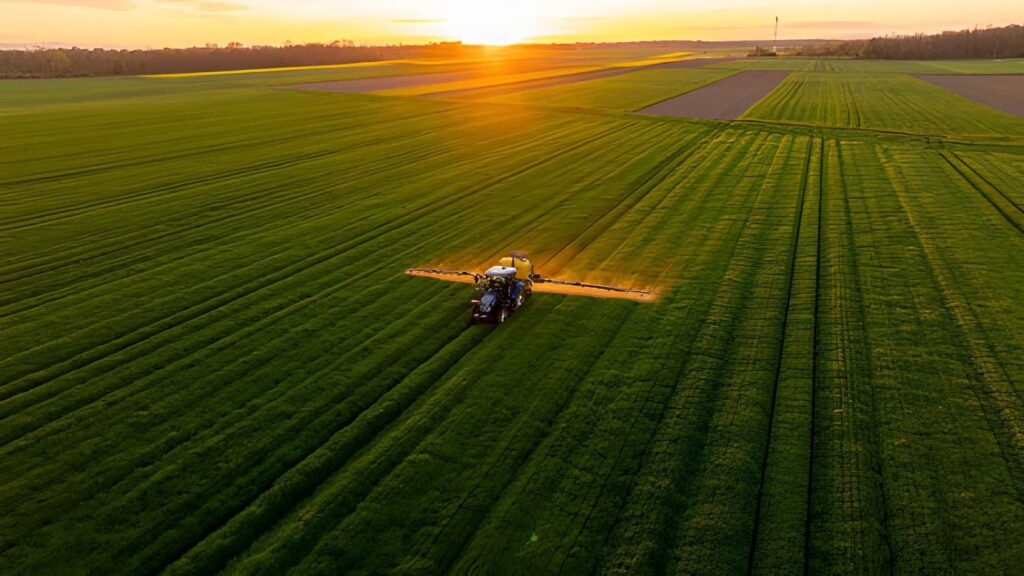
The world is developing faster than ever. Cities are expanding, technology is advancing, businesses are growing, and millions of people are seeking better opportunities. While this progress can improve lives, it also creates important questions about how we use natural resources and protect the planet. This is where sustainable development becomes essential. It offers a way to improve living standards today without making it harder for future generations to meet their own needs.
Sustainable development is about finding a balance between economic growth, social well-being, and environmental protection. It recognizes that a truly successful future is not measured only by how much a society produces or earns. It also depends on whether people have access to education, healthcare, opportunities, clean environments, and the resources needed for a good quality of life.
Balancing Progress and Protection
Development is necessary for societies to grow. People need homes, jobs, transportation, education, and reliable services. However, development that ignores environmental limits can create long-term problems.
Sustainable development encourages communities to think carefully about how progress is achieved. Instead of using resources without considering the future, it promotes smarter planning and responsible decision-making.
For example, cities can grow while investing in public transportation, green spaces, energy-efficient buildings, and effective waste management. This approach allows development to continue while reducing unnecessary environmental pressure.
Protecting Natural Resources
Natural resources are at the heart of modern life. Water, forests, soil, minerals, and energy support agriculture, industries, and communities.
However, many resources are limited, and some take years or even centuries to recover. Sustainable development encourages responsible use so that these resources remain available for future generations.
This can involve reducing waste, improving efficiency, protecting ecosystems, and investing in renewable alternatives. When resources are managed wisely, societies can continue to benefit from them without exhausting what the planet provides.
Creating Stronger Communities
Sustainable development is not only about the environment. It is also about improving people’s lives.
A sustainable community is one where people have access to opportunities, education, healthcare, safe housing, and essential services. It aims to create conditions where individuals can grow and participate in society.
Strong communities are better prepared to handle challenges. When people have knowledge, resources, and support, they can respond more effectively to economic changes, environmental problems, and unexpected events.
Supporting Responsible Economic Growth
Economic development is important because it creates jobs, supports businesses, and improves living standards. However, long-term economic success requires responsible planning.
Businesses can contribute to sustainable development by reducing waste, improving energy efficiency, using responsible materials, and treating employees fairly.
Sustainable business practices can also encourage innovation. Companies that look for better ways to produce goods and services may discover solutions that are both environmentally responsible and economically valuable.
The goal is not to stop economic growth but to make it more thoughtful and sustainable.
The Role of Education
Education is one of the strongest foundations of sustainable development. People who understand environmental, economic, and social challenges are better prepared to make informed decisions.
Schools can teach students about resource conservation, responsible consumption, and problem-solving. Universities can support research and innovation in areas such as renewable energy, sustainable agriculture, and environmental protection.
Education also helps people develop skills that improve their career opportunities and strengthen communities.
A knowledgeable population is better equipped to build a future based on informed choices rather than short-term thinking.
Technology Can Support Sustainability
Technology has an important role in sustainable development. Smart systems can help reduce energy consumption, monitor water use, improve transportation, and manage waste.
Renewable energy technologies can provide cleaner alternatives to traditional energy sources. Digital tools can help farmers use water and fertilizers more efficiently. Data can help cities understand how resources are being used.
However, technology is not a complete solution on its own. It must be combined with responsible policies, education, and thoughtful behavior.
Everyone Has a Role
Sustainable development requires cooperation. Governments can create effective policies, businesses can improve their practices, and communities can support responsible initiatives.
Individuals also have a role. Everyday choices such as reducing waste, conserving energy, using resources carefully, and supporting responsible businesses can contribute to broader change.
No single action will solve every global challenge. However, millions of responsible actions can create a significant collective impact.
Thinking About the Future
Perhaps the most important idea behind sustainable development is long-term thinking. Decisions made today can influence people who may not even be born yet.
Building a new city, using natural resources, or developing an industry should involve consideration of future consequences.
This does not mean avoiding progress. It means making progress in a way that leaves future generations with opportunities rather than problems.
Conclusion
Sustainable development is important because it provides a path toward progress that considers both present and future needs. It connects economic growth with social well-being and environmental responsibility.
The challenges facing the world are complex, but sustainable development offers a framework for addressing them through cooperation, innovation, education, and responsible decision-making.
A successful future is not simply one where people have more. It is one where people can live well without destroying the systems that support life.
By making thoughtful choices today, we can create stronger communities, protect valuable resources, and encourage responsible growth. Sustainable development reminds us that the future is a shared responsibility—and that the decisions we make now can help determine the kind of world we leave behind.