The Importance of Continuous Improvement
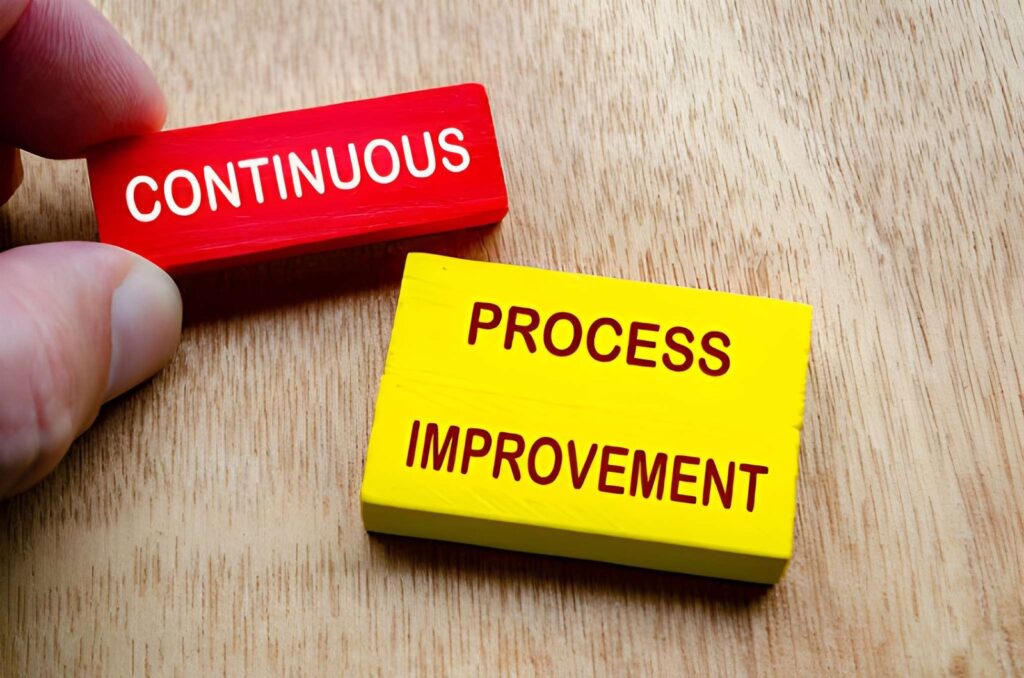
Continuous improvement is the ongoing process of making small, meaningful changes that lead to better results over time. Whether in personal life, education, business, or professional development, the idea is simple: never stop learning, growing, and improving. Instead of waiting for a major O8 breakthrough, continuous improvement encourages people to focus on consistent progress. These small efforts may seem insignificant at first, but they often create lasting positive changes that lead to greater success and satisfaction.
What Is Continuous Improvement?
Continuous improvement is a mindset that emphasizes regular learning, evaluation, and action. It involves identifying areas where improvements can be made, making changes, measuring results, and repeating the process. This approach helps individuals and organizations become more efficient, productive, and adaptable.
Unlike striving for perfection, continuous improvement focuses on progress rather than flawless results. Every step forward, no matter how small, contributes to long-term success. This mindset allows people to learn from mistakes instead of fearing them, making growth a natural part of everyday life.
Why Continuous Improvement Matters
In today’s fast-changing world, staying the same often means falling behind. New technologies, changing customer expectations, and evolving industries require people and businesses to adapt quickly. Continuous improvement helps individuals remain competitive by encouraging them to develop new skills and improve existing ones.
For organizations, continuous improvement increases productivity, improves quality, reduces waste, and strengthens customer satisfaction. Employees also benefit because they become more confident, engaged, and motivated when they see their efforts leading to positive outcomes.
Benefits in Personal Growth
Continuous improvement is not limited to the workplace. It also plays a major role in personal development. People who focus on improving themselves often build stronger habits, better relationships, and greater confidence.
Simple actions like reading a few pages each day, learning a new skill, exercising regularly, or improving communication abilities create meaningful progress over time. These small improvements help individuals become more resilient and better prepared to face life’s challenges.
Most importantly, continuous improvement encourages lifelong learning. Every experience becomes an opportunity to gain knowledge and become a better version of yourself.
How Businesses Benefit from Continuous Improvement
Successful businesses understand that improvement never stops. Companies that regularly evaluate their processes can identify inefficiencies, eliminate unnecessary costs, and improve customer experiences.
Continuous improvement also encourages innovation. Employees are motivated to share ideas, solve problems creatively, and suggest better ways of working. This creates a positive workplace culture where everyone contributes to the organization’s success.
Businesses that embrace continuous improvement often enjoy higher customer loyalty because they consistently deliver better products and services while responding quickly to changing market needs.
Building Better Habits Through Small Changes
One of the greatest strengths of continuous improvement is its focus on small, manageable changes. Large goals can feel overwhelming, but breaking them into smaller steps makes progress more achievable.
For example, someone who wants to improve their health doesn’t need to make dramatic lifestyle changes overnight. Walking for twenty minutes each day, drinking more water, or eating healthier meals consistently can produce significant long-term results.
The same principle applies to work, education, and personal development. Consistent effort eventually leads to remarkable achievements.
Overcoming Challenges
The journey of continuous improvement is not always easy. People may experience setbacks, frustration, or slow progress. However, these challenges provide valuable learning opportunities.
Instead of viewing mistakes as failures, individuals with a continuous improvement mindset see them as feedback. Every obstacle offers lessons that help improve future decisions and actions. Patience, persistence, and adaptability become essential qualities for long-term success.
Maintaining motivation is also important. Celebrating small achievements along the way helps build confidence and encourages continued progress.
Creating a Culture of Improvement
Organizations that promote continuous improvement create environments where learning is encouraged and employee contributions are valued. Leaders play an important role by supporting innovation, recognizing achievements, and providing opportunities for professional development.
Open communication, teamwork, and regular feedback help employees identify areas for improvement while feeling supported throughout the process. A positive workplace culture encourages everyone to contribute ideas that enhance overall performance.
When improvement becomes part of the organization’s culture, long-term growth becomes more sustainable.
Practical Ways to Practice Continuous Improvement
Anyone can begin practicing continuous improvement by adopting a few simple habits. Setting realistic goals, seeking feedback, learning from mistakes, reading regularly, attending training programs, and reflecting on daily experiences all contribute to steady progress.
Keeping track of achievements also helps individuals recognize how far they have come. Reviewing goals regularly allows people to adjust their strategies and continue moving forward with confidence.
Most importantly, staying curious and open to learning ensures that improvement remains a lifelong journey rather than a temporary effort.
Conclusion
Continuous improvement is a powerful approach that encourages consistent growth through small, meaningful actions. Whether applied to personal development, education, or business, this mindset helps individuals and organizations adapt, innovate, and achieve lasting success. By embracing lifelong learning, welcoming feedback, and making steady progress every day, anyone can unlock their full potential. Success is rarely the result of one big change—it is built through countless small O8 thể thao improvements that, over time, create extraordinary results.