Why Adaptability Is Important in a Changing World
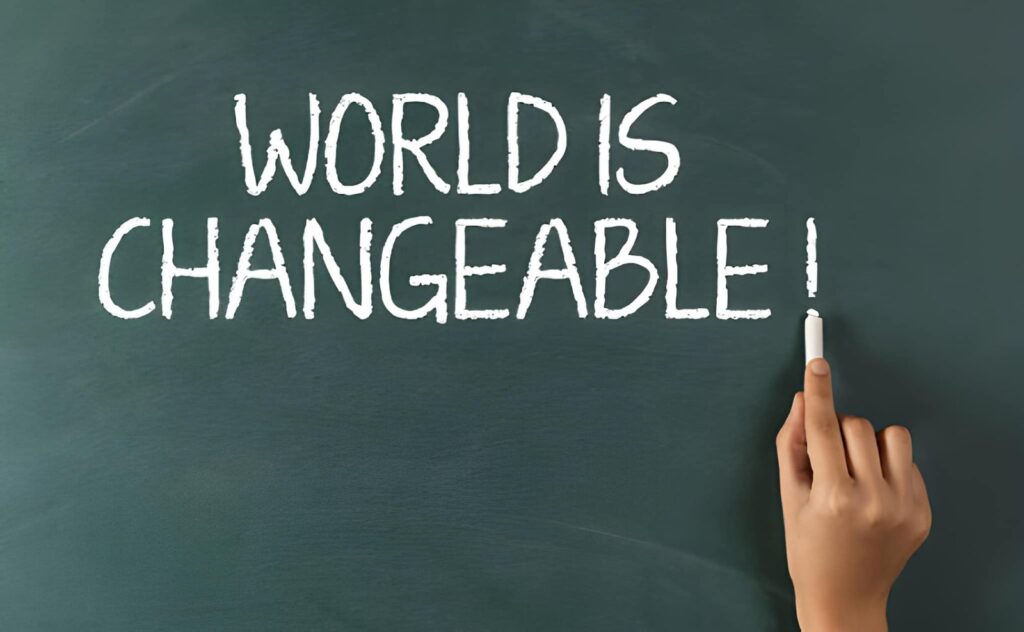
The world O8 is changing faster than ever before. New technologies, evolving workplaces, shifting economies, and changing lifestyles have made adaptability one of the most valuable skills a person can possess. The ability to adjust to new situations, learn from experiences, and embrace change helps individuals overcome challenges and seize opportunities that might otherwise be missed. Rather than resisting change, adaptable people view it as a chance to grow, improve, and discover new possibilities. In today’s fast-moving world, adaptability is no longer just a useful quality—it has become an essential life skill.
Understanding Adaptability
Adaptability is the ability to adjust your thoughts, actions, and behaviors when faced with new situations or unexpected changes. It means remaining flexible instead of becoming overwhelmed when things do not go according to plan. Adaptable people are open to learning, willing to try different approaches, and capable of handling uncertainty with confidence.
Being adaptable does not mean giving up your values or goals. Instead, it means finding new ways to achieve them when circumstances change. Whether facing personal challenges or professional changes, adaptability allows people to move forward with resilience.
Why Change Is Constant
Change has always been a part of life, but today it happens more quickly than ever. Advances in technology, global communication, and innovation continue to reshape industries and everyday routines. Jobs evolve, new skills become important, and unexpected events can influence entire communities and economies.
Because change is unavoidable, learning how to adapt is more practical than trying to resist it. People who accept change as a natural part of life are often better prepared to respond positively when new situations arise.
Adaptability Supports Career Growth
The modern workplace values employees who can adjust to changing responsibilities and learn new skills. Companies frequently introduce new technologies, processes, and business strategies to remain competitive. Workers who are willing to learn and adapt often become valuable team members because they can handle challenges with confidence.
Adaptable professionals are also more likely to embrace opportunities such as leadership roles, career changes, or additional responsibilities. Instead of fearing change, they see it as a chance to grow professionally and expand their abilities.
Continuous learning plays a major role in career adaptability. Developing new skills, staying informed about industry trends, and maintaining a positive attitude toward learning can create long-term career success.
Building Resilience Through Adaptability
Life is filled with unexpected situations. Personal setbacks, financial challenges, health concerns, or changes in relationships can happen to anyone. Adaptability helps people remain resilient during difficult times by encouraging them to focus on solutions instead of problems.
Resilient individuals understand that setbacks are temporary and often provide valuable lessons. Instead of giving up when things become difficult, they adjust their approach, learn from their experiences, and continue moving forward with determination.
This mindset not only reduces stress but also strengthens emotional well-being over time.
Encouraging Personal Growth
Adaptability encourages people to step outside their comfort zones and experience personal growth. Trying new activities, learning different skills, or exploring unfamiliar environments broadens perspectives and increases self-confidence.
Every new experience teaches valuable lessons that contribute to personal development. Whether learning a new language, starting a different hobby, or traveling to new places, adaptability helps individuals become more open-minded and resourceful.
Personal growth often begins when people are willing to embrace change rather than avoid it.
Improving Relationships
Adaptability also strengthens relationships with family, friends, and colleagues. Every relationship involves change as people grow, face new responsibilities, and experience different stages of life. Being flexible and understanding helps individuals communicate more effectively and resolve conflicts peacefully.
Adaptable people are often better listeners because they remain open to different opinions and perspectives. This willingness to understand others creates stronger trust and healthier relationships built on mutual respect.
Simple Ways to Become More Adaptable
Developing adaptability is a gradual process that begins with small daily habits. Staying curious, maintaining a positive attitude, and viewing challenges as learning opportunities can make a significant difference. Reading regularly, learning new skills, asking questions, and welcoming constructive feedback all contribute to greater flexibility.
It is also important to practice patience during times of uncertainty. Not every situation can be controlled, but our response to change is always within our control. Focusing on what can be improved rather than what cannot be changed helps build confidence and resilience.
Surrounding yourself with supportive and positive people also encourages a mindset that welcomes growth and continuous improvement.
Conclusion
Adaptability is one of the most valuable qualities anyone can develop in today’s constantly changing world. It helps individuals navigate uncertainty, build stronger careers, strengthen relationships, and continue growing through every stage of life. Rather than fearing change, adaptable people recognize that every new challenge brings an opportunity to learn and improve. By embracing flexibility, staying curious, and maintaining a willingness to learn, anyone can build the confidence needed to succeed in an ever-changing world. Adaptability is not about avoiding difficulties —it is about facing them with courage, resilience, and the O8 thể thao determination to keep moving forward.