Beginner’s Guide to Home Gardening
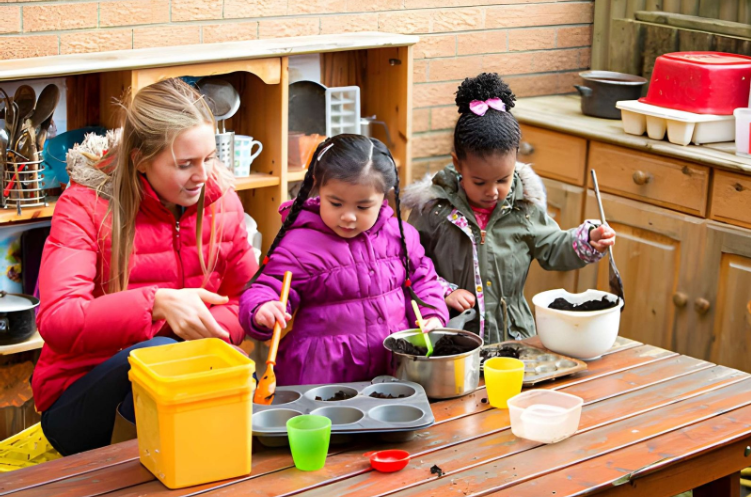
Home gardening is one of the most rewarding hobbies you can start. Whether you have a large backyard, a small balcony, or just a sunny windowsill, growing plants at home can improve your space, support healthier eating, and reduce stress. For beginners, the idea of starting a garden may feel overwhelming, but with the right steps, anyone can learn how to grow flowers, herbs, vegetables, or indoor plants successfully.
This beginner’s guide to home gardening will walk you through the basics, from choosing the right location to caring for your plants throughout the season.
Why Start a Home Garden?
Home gardening offers many benefits beyond simply making your home look beautiful. Growing your own vegetables and herbs can help you save money and enjoy fresher, healthier food. Gardening also encourages you to spend more time outdoors, Ga6789 stay active, and connect with nature.
For many people, gardening is also a calming activity. Planting seeds, watering soil, and watching plants grow can reduce stress and provide a sense of accomplishment. Even a small container garden can bring joy and color into your home.
Choose the Right Gardening Space
Before buying plants or seeds, decide where your garden will be. The best location depends on what you want to grow.
Most vegetables, fruits, and flowering plants need at least six hours of direct sunlight each day. Herbs like basil, rosemary, and thyme also thrive in sunny spots. If your space has less sunlight, consider shade-tolerant plants such as lettuce, spinach, mint, ferns, or hostas.
If you do not have a yard, do not worry. Container gardening is perfect for patios, balconies, porches, and windowsills. Raised garden beds are another great option for beginners because they provide better control over soil quality and drainage.
Understand Your Soil
Healthy soil is the foundation of successful home gardening. Plants need soil that provides nutrients, holds moisture, and drains well. If you are planting directly in the ground, test your soil before starting. A basic soil test can show the pH level and nutrient content.
For beginners, using high-quality potting mix is often the easiest choice, especially for container gardens. Avoid using regular garden soil in pots because it may become compacted and prevent proper drainage.
Adding compost is one of the best ways to improve soil. Compost enriches the soil with organic matter, supports beneficial microorganisms, and helps plants grow stronger roots.
Start with Easy-to-Grow Plants
One of the best beginner gardening tips is to start small and choose easy plants. Trying to grow too many different plants at once can become difficult to manage.
Good vegetables for beginners include tomatoes, lettuce, radishes, green beans, cucumbers, and zucchini. Easy herbs include basil, parsley, mint, chives, and cilantro. If you prefer flowers, try marigolds, sunflowers, zinnias, petunias, or pansies.
Choose plants that match your climate and growing season. Check seed packets or plant labels for information about sunlight, watering needs, spacing, and planting times.
Seeds vs. Starter Plants
When starting a garden, you can grow plants from seeds or buy young starter plants from a nursery. Both options have advantages.
Seeds are affordable and offer a wide variety of choices. They are ideal for fast-growing crops like lettuce, radishes, beans, and herbs. However, seeds require more patience and attention.
Starter plants are easier for beginners because they are already growing. They are especially useful for tomatoes, peppers, and flowering plants. Although they cost more than seeds, they can help you see results faster.
Water Your Garden Properly
Watering is one of the most important parts of home gardening. Too little water can cause plants to wilt, while too much water can lead to root rot and disease.
Most plants prefer deep, consistent watering. Instead of lightly spraying the surface every day, water deeply so moisture reaches the roots. Early morning is the best time to water because plants can absorb moisture before the heat of the day.
Container gardens usually dry out faster than in-ground gardens, so check them often. A simple way to test moisture is to place your finger about one inch into the soil. If it feels dry, it is time to water.
Give Plants Enough Space
Beginner gardeners often plant too closely together. While small seedlings may not seem to need much room, they will grow larger over time. Crowded plants compete for sunlight, water, and nutrients. Poor spacing can also reduce airflow and increase the risk of disease.
Always follow spacing instructions on seed packets or plant labels. Giving plants enough room helps them grow healthier and produce better results.
Feed Your Plants
Plants need nutrients to grow well. While good soil provides a strong start, many plants benefit from additional feeding during the growing season.
Use a balanced organic fertilizer or compost to support healthy growth. Vegetables and flowering plants often need more nutrients than low-maintenance indoor plants. Be careful not to over-fertilize, as too much fertilizer can damage roots and leaves.
Watch for Pests and Problems
Every gardener deals with pests at some point. Common garden pests include aphids, slugs, caterpillars, and spider mites. Check your plants regularly for holes in leaves, discoloration, or sticky residue.
The best approach is to catch problems early. Remove pests by hand, spray leaves with water, or use natural solutions like insecticidal soap when needed. Encouraging beneficial insects such as ladybugs and bees can also help keep your garden healthy.
Be Patient and Keep Learning
Home gardening is a learning process. Some plants may thrive, while others may struggle. Do not be discouraged by mistakes. Every season teaches you something new about your Rút tiền Ga6789 plants, soil, climate, and gardening style.
Keep notes about what you plant, when you water, and what works best. Over time, your confidence will grow along with your garden.
Final Thoughts
Starting a home garden does not require expert knowledge or expensive tools. With sunlight, good soil, proper watering, and easy-to-grow plants, beginners can enjoy a successful gardening experience. Start small, stay consistent, and enjoy the process. Whether you grow fresh herbs in your kitchen or vegetables in your backyard, home gardening is a simple and satisfying way to bring more life into your home.
Leave a Reply